ADVANCED SEARCH +

Aegeus Society For Aegean Prehistory

AEGEAN LECTURES | 2026

Friday, 30 January 2026, 19:00

Did Ioannis Kapodistrias know about the existence of a “Minoan” civilisation in Crete? Κarl Hoeck, Arthur Evans and the “construction” of the “Minoan” civilisation (in Greek)

Swedish Institute at Athens (Μitseon 9, Acropolis Metro station)

Did Ioannis Kapodistrias know about the existence of a “Minoan” civilisation in Crete? Κarl Hoeck, Arthur Evans and the “construction” of the “Minoan” civilisation (in Greek)

In his recent film entitled “Kapodistrias”, the award-winning director Yiannis Smaragdis presented a meeting between Ioannis Kapodistrias and the Austrian Chancellor, Klemens von Metternich, at the Congress of Vienna in 1815. There, Metternich, arguing that no Greek race exists, received the following reply from Kapodistrias: “The race I speak of is descended from three civilisations: the Minoan, the classical Greek and the Byzantine. What other people possess a triple civilisation?” Could this immensely important Greek politician, in 1815 –or even at any point up to the end of his life– has given such an answer?
Friday, 20 February 2026, 19:00

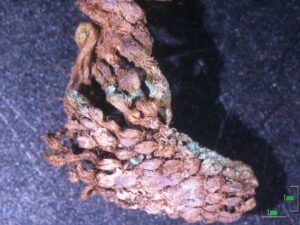
Threads of Prestige. The textiles from the Grave Circles of Mycenae

Swedish Institute at Athens (Μitseon 9, Acropolis Metro station)

Threads of Prestige. The textiles from the Grave Circles of Mycenae

Οι περισσότερες πληροφορίες που διαθέτουμε για την τεχνολογία των μυκηναϊκών υφασμάτων προέρχονται από δεδομένα της ανακτορικής περιόδου (ΥΕ ΙΙΙ) και βασίζονται κυρίως σε έμμεσες πηγές, όπως γραπτές μαρτυρίες, εργαλεία κλωστοϋφαντουργίας, εικονογραφία και άλλα αρχαιολογικά ευρήματα. Γνωρίζουμε, πράγματι, πως τα μυκηναϊκά ανάκτορα ήλεγχαν μια ισχυρή «βιομηχανία» υφασμάτων που αποτελούσε σημαντικό κλάδο της οικονομίας και στην οποία εμπλεκόταν μεγάλο μέρος του πληθυσμού. Ωστόσο, οι γνώσεις μας για τα υφάσματα της πρώιμης Μυκηναϊκής περιόδου είναι πολύ περιορισμένες.

Friday 6 March 2026, 19:00

Domestic structure and kinship relations through an archaeological approach: The case of the Strong Building and the Minoan settlement of Kato Zakros

Swedish Institute at Athens (Μitseon 9, Acropolis Metro station)

Domestic structure and kinship relations through an archaeological approach: The case of the Strong Building and the Minoan settlement of Kato Zakros

The so-called “Strong Building” is one of the largest and most significant buildings of the Minoan settlement at Kato Zakros and has yielded a rich assemblage of artifacts. Recently, the study of its architectural features and movable finds was completed and has highlighted its distinctive layout and internal organization, the function of its rooms and the range of activities that took place within, thus offering a starting point for studying the composition and the character of the domestic group that inhabited it.