NEWS
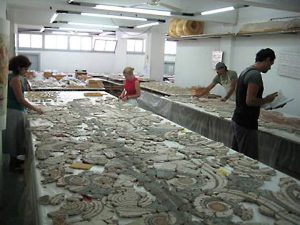
The first Minoan Seminar of the season (Friday 11 October, Dr Anastasia Tzigounaki, «Sphragidocracy» in the period of the First Palaces) will be available on YouTube.com, for about a week only.
URL: http://youtu.be/15tiYjNSqXw
in.gr, 16-10-2013
Πέθανε σήμερα, Τετάρτη, σε ηλικία 81 ετών -γεννήθηκε στις 26 Νοεμβρίου του 1932 στη Θεσσαλονίκη- ο ομότιμος καθηγητής Αρχαιολογίας στο ΑΠΘ και πρώην βουλευτής του ΚΚΕ Α’ Θεσσαλονίκης Γιώργος Χουρμουζιάδης.
Η πολιτική κηδεία του θα γίνει την Πέμπτη, στις 16.00, στα κοιμητήρια της Θέρμης.
Σ’ ένα βιογραφικό γραμμένο από τον ίδιο σημειώνει: «Γεννήθηκα στη Θεσσαλονίκη και θα ήθελα να πεθάνω
Newsit, 20-09-2013
“Προϊστορικές” πίτες ή αλλιώς “πιτούλκες”, κατά την τοπική ονομασία, θα φτιάξουν τις επόμενες μέρες από δημητριακά, όσπρια, νερό και ζωικά λίπη μαθητές δημοτικού αλλά και ενήλικες δίπλα στο χώρο των ανασκαφών του νεολιθικού οικισμού της Αυγής Καστοριάς. Η συνταγή είναι επτά χιλιάδων χρόνων αν και οι ακριβείς δοσολογίες των συστατικών δεν είναι γνωστές. Ωστόσο η αρχαιολογική έρευνα έχει καταλήξει στα
Archaeological Society at Athens
Φέτος το καλοκαίρι συμπληρώνονται πενήντα χρόνια από την έναρξη της συστηματικής αρχαιολογικής έρευνας στην νήσο Κέρο των Κυκλάδων. Η διαπίστωση εκτεταμένης αρχαιοκαπηλικής δραστηριότητας στο νησί τον Ιούλιο του 1963 οδήγησε έκτοτε σε μία σειρά ανασκαφικών και επιφανειακών ερευνών, από τις οποίες άλλες έχουν ήδη δημοσιευθεί και άλλες βρίσκονται στο στάδιο της μελέτης.
Η Εν Αθήναις Αρχαιολογική Εταιρεία, ως το παλαιότερο
Archaeology & Arts, 10-10-2013
Ένα νεολιθικό στεατοπυγικό ειδώλιο ύψους περίπου τριάντα εκ. βρέθηκε και κατασχέθηκε την Τρίτη 8 Οκτωβρίου 2013 στο Κολωνάκι, από αστυνομικούς του Τμήματος Πολιτιστικής Κληρονομιάς και Αρχαιοτήτων της Διεύθυνσης Ασφάλειας Αττικής. Το αντικείμενο είχαν στην κατοχή τους δύο άτομα, ηλικίας 47 και 57 ετών.
Ειδικότερα, μετά από διερεύνηση πληροφορίας για δύο άτομα που έχουν στην κατοχή τους σπάνιο αρχαίο αντικείμενο, με
Joel Achenbach, The Washington Post, 10-10-2013
Polarization — right and left, red state and blue state, etc. — wasn’t invented yesterday. Ask the scientists studying the bones of prehistoric Europeans. Hundreds of skeletal remains , many from a newly discovered cave in Germany, have produced a startling reminder of the power of social boundaries. When farmers showed up from the Near East about 7,500 years ago,
Lorenzo Perez, University of Virginia News, 27-09-2013
Most readers of Homer’s “Iliad” recall the “Catalogue of Ships” as its own epic act of endurance, for reader and poet alike. Nearly 190 place names and 29 Greek contingents, sailing to Troy for battle, are cited in more than 250 lines, requiring what U.Va. classics professor Jenny Strauss Clay considers a “tour-de-force” of memory from the oral poet.
Earlier
Georgia Stratouli, Archaeology & Arts, 07-10-2013
Το Ανασκαφικό/Ερευνητικό Πρόγραμμα του Νεολιθικού Οικισμού Αυγής Καστοριάς (www.neolithicavgi.gr) ολοκλήρωσε ήδη την πρώτη 10ετία (2002-2012) παρουσίας του στο επιστημονικό γίγνεσθαι της Nεολιθικής Aρχαιολογίας στη Μακεδονία. Ως ωριμότερο πλέον αυτό το Πρόγραμμα αναστοχάζεται την πορεία του σε επίπεδο ανασκαφικής μεθοδολογίας και θεωρητικών εργαλείων ανάλυσης και ερμηνείας του αρχαιολογικού υλικού, αξιοποίησης ειδικών μελετών στο πεδίο και το εργαστήριο καθώς και της παραγωγικότερης
N. Kontrarou-Rassia, Ελευθεροτυπία, 05-10-2013
Δεκατρία χρόνια έσκαβαν οι αρχαιολόγοι τριών Εφορειών Αρχαιοτήτων στην αποξηραμένη λίμνη Κάρλα, στη Θεσσαλία, πριν αρχίσει να κατακλύζεται πάλι (το 2009) από νερό, αποκαλύπτοντας μια σειρά από παραλίμνιους οικισμούς από την 7η χιλιετία π.Χ. μέχρι τα ελληνιστικά και βυζαντινά χρόνια.
Οι ανασκαφές, που άρχισαν το 2000, ολοκληρώθηκαν προ ημερών. Για την τύχη των ευρημάτων (πέραν των ήδη διατηρημένων και αναδεδειγμένων
Adamantia Vasilogamvrou, Chinese Archaeology, 09-09-2013
The Homeric epic poems, the Iliad and the Odyssey, offer an account of the events related to the Trojan War. At the same time, they are an invaluable source of information about the topography of Mycenaean Greece, the Mycenaean polities that flourished during the Late Bronze Age, as well as about the peoples’ ways of life and customs.
The Archaeological
University of Cyprus, Spring Semester 2014
This programme provides an excellent opportunity to young archaeologists to deepen and extend their training in order to pursue their careers in diverse domains, such as academic research and public archaeology.
Information
URL: http://www.ucy.ac.cy
University of London, School of Advanced Study. Institute of Classical Studies
Wednesdays throughout the year at 3.30 pm unless otherwise stated Senate House South Block Ground Floor G22 / 26. Convenors: Ellen Adams, Lisa Bendall, Yannis Galanakis, Olga Krzyszkowska, Andrew Shapland. Contact: admin.icls@sas.ac.uk
PROGRAMME 2013-14
16 October: Joanne Cutler (UCL), The fabric of Minoanisation: textile production, the transmission of craft knowledge and social dynamics in the Bronze Age southern Aegean
13
Cyprus Department of Antiquities
The Department of Antiquities, Ministry of Communications and Works, announces the completion of the 2013 fieldwork season undertaken by the Italian Archaeological Mission (Università degli Studi di Firenze) at the site of Erimi-Laonin tou Porakou. This year’s investigations took place from from July 22nd to August 20th 2013.
The Bronze Age site of Erimi-Laonin tou Porakou lies on an high
Margarita Pournara, eKathimerini, 20-09-2013
“If you were to imagine Crete as a human being, Eleutherna would be its heart.” I am standing with Nicholas Stampolidis, a professor of history and archaeology at the University of Crete, on a small hill overlooking the archaeological site of Eleutherna, some 30 kilometers from Rethymno. From this rise, we can see the entire area of the university’s excavation
Giorgos Tzorakis, Prisma News, 23-09-2013
Στους απολογισμούς των δεινών που επέφεραν οι ξένοι κατακτητές στη χώρα μας κατά τη διάρκεια της κατοχής, οι καταστροφές της πολιτιστικής κληρονομιάς είναι αυτές που έχουν απασχολήσει σε μικρότερη έκταση έως σήμερα τους ερευνητές. Το ίδιο άγνωστες είναι οι καταστροφές των αρχαιολογικών θησαυρών της Κρήτης, παρά τις συνοπτικές αλλά έγκαιρες καταγραφές από τον αρμόδιο Έφορο αρχαιοτήτων Νικόλαο Πλάτωνα, μετά το


