NEWS
Archaeology & Arts, 12-04-2013
Με την ευθύνη της Δ’ Εφορίας Προϊστορικών και Κλασικών Αρχαιοτήτων Αργολίδας και την έγκριση του Κεντρικού Αρχαιολογικού Συμβουλίου ξεκίνησαν εργασίες αναστήλωσης, στερέωσης και συντήρησης στα κυκλώπεια τείχη της Αρχαίας Τίρυνθας. Πρόκειται για την υλοποίηση ενός συνεχιζόμενου προγράμματος αποκατάστασης βλαβών στον αρχαιολογικό χώρο της Αρχαίας Τίρυνθας, δίπλα στον εθνικό δρόμο Άργους-Ναυπλίου. Αφορά τα κυκλώπεια τείχη της ανακτορικής μυκηναϊκής περιόδου (13ου-14ου αιώνα).
Past Horizons, 12-04-2013
The Late Palaeolithic site of Ouriakos is located on the south-eastern coast of the island of Limnos in the northern Aegean. It was discovered in 2006 during the construction of a car park close to the beach which removed part of a sand dune. The site is partly located on a Pleistocene calcarenite marine terrace, some 10m above present sea
in.gr, 11-04-2013
Εντός του 2015 αναμένεται να εγκαινιαστεί το Μουσείο Αρχαιολογικού Χώρου Ελεύθερνας, στο νομό Ρεθύμνου, καθώς η κατασκευή του βρίσκεται σε εξέλιξη, ενώ η μελέτη διαμόρφωσης του περιβάλλοντος χώρου του αλλά και των εργασιών ασφάλειας και μεταφοράς αρχαιοτήτων πήρε πρόσφατα την έγκριση των μελών του Κεντρικού Αρχαιολογικού Συμβουλίου. Επίσης, πριν λίγο καιρό τα μέλη του ΚΑΣ ενέκριναν το νέο πενταετές πρόγραμμα
Barry Kemp & Anna Stevens, Egyptology News, 07-04-2013
The first part of the 2013 season ended on Wednesday, March 27th, with the formal return of the site to the SCA inspectorate. The March results mainly reinforced the observations made in the February report, and should be visible from the accompanying photographs. On the very last day, our team of builders put the finishing touches to the outlines of
Archaeology & Arts, 10-04-2013
Το αιγυπτιακό μπλε αποτελεί την πρώτη συνθετική βαφή στον κόσμο. Το πρώτο γνωστό δείγμα του προέρχεται από αιγυπτιακό τάφο που χρονολογείται στα τέλη της 1ης φαραωνικής Δυναστείας, 5.000 χρόνια πριν από σήμερα, για να χρησιμοποιηθεί κατά κόρον στις ταφικές αιγυπτιακές τοιχογραφίες, βασιλικές και μη. Στη συνέχεια η δημοτικότητά του ήταν μεγάλη. Η χρήση του πέρασε μάλιστα τα σύνορα της Αιγύπτου
Archaeology News Network, 10-04-2013
Turkey’s well-known ancient site of Alacahöyük, which currently draws around 50,000 visitors a year, in the Central Anatolian province of Çorum, is set to be given new facilities reflecting traces of the Hittite civilization.The head of the Alacahöyük excavations, Professor Aykut Çınaroğlu, said the reconstruction plan for the protection of Alacahöyük had been prepared by the Culture and Tourism
Archaeology News Network, 07-04-2013
Over four millennia ago, the fortress town of Gonur-Tepe might have been a rare advanced civilisation before it was buried for centuries under the dust of the Kara Kum desert in remote western Turkmenistan. After being uncovered by Soviet archaeologists in the last century, Gonur-Tepe, once home to thousands of people and the centre of a thriving region, is gradually
Μanolis Kokolakis, Έθνος, 06-04-2013
Εγκαταλειμμένο στην τύχη του είναι το Ανάκτορο της Κνωσού και οι λιγοστοί εργαζόμενοι κάνουν ταυτόχρονα τους φύλακες, τους αρχιφύλακες, τους εισπράκτορες εισιτηρίων αλλά και τους… καθαριστές. Οι εκπρόσωποι των εργαζομένων ζητούν την άμεση παρέμβαση του υπουργείου Πολιτισμού, επισημαίνοντας ότι η τουριστική κίνηση έχει ξεκινήσει στην Κρήτη και το πρόβλημα της έλλειψης προσωπικού εντείνεται στο Μινωικό Ανάκτορο, που κάθε χρόνο «μαγνητίζει»
eurekalert.org, 05-04-2013
The Djehuty Project, led by the Spanish National Research Council (CSIC), has discovered on the hill of Dra Abu el-Naga in Luxor (ancient Thebes), the burials of four personages belonging to the elite of the 17th Dynasty of Ancient Egypt, who lived about 3.550 years ago. These findings, discovered during the 12th campaign of archeological excavations of the project, shed
Association of Greek Archaeologists
Με την ευκαιρία της συμπλήρωσης 40 χρόνων δράσης του Ινστιτούτου Εναλίων Αρχαιολογικών Ερευνών, ο ΣΕΑ και το Δ.Σ. του Ι.ΕΝ.Α.Ε. σας καλούν στην παρουσίαση του περιοδικού ΕΝΑΛΙΑ ΧΙ τη Δευτέρα 8-4-2013, ώρα 18.00 στο Κτήριο του ΣΕΑ, Ερμού 136.
Ομιλητές:
Γιάννος Γ. Λώλος – Πρόεδρος Ι.ΕΝ.Α.Ε., Καθηγητής Προϊστορικής Αρχαιολογίας Πανεπιστημίου Ιωαννίνων
Γεώργιος Σ. Κορρές – Ομότιμος Καθηγητής Προϊστορικής Αρχαιολογίας Πανεπιστημίου
The Department of History and Archaeology of the University of Athens invites you to the 9th Symposium “Excavations and Research, IX”, which will take place at the Central Building of the University of Athens (Panepistimiou 30, I. Drakopoulos Hall) on April 5-6th, 2013.
Programme
The Swedish Institute at Athens will hold its Annual Meeting on Thursday, April 11, 2013, at 6 p.m. in the Lecture Hall of the Acropolis Museum, Dionysiou Areopagitou 15. Lectures by:
Arto Penttinen (Director), The work of the Swedish Institute at Athens in 2012
Alcestis Papadimitriou (Director of Antiquities) & Georgia Ivou, A program for upgrading the archaeological site at
Charles Choi, Live Science, 01-04-2013
A trove of Neanderthal fossils including bones of children and adults, discovered in a cave in Greece hints the area may have been a key crossroad for ancient humans, researchers say. The timing of the fossils suggests Neanderthals and humans may have at least had the opportunity to interact, or cross paths, there, the researchers added. Neanderthals are the closest
Popular Archaeology, 25-03-2013
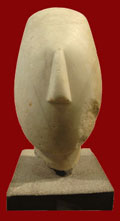
Keros Island is known for the famous assemblage of fragmentary Cycladic marble figurines popularly known as the “Keros Hoard”, a collection of artifacts purportedly found by looters at the site of Kavos on the west coast of this now uninhabited Greek island in the Cyclades, southeast of Naxos in the Mediterranean. Many of the figurines, traded on the antiquities market, ended up in the Erlenmeyer Collection in Basel, Switzerland,
Nestor 40.3 (March 2013) is available for download at http://classics.uc.edu/nestor/