Pascal Darcque, Martin Schmid & Aleydis van de MoortelΑθήνα2014
This volume is the first in a series publishing the results of the excavations carried out in the area immediately northeast of the palace of Malia. It presents the history of research and a period-by-period overview describing each building, room, and space with a complete inventory of the associated finds, including some C14-dated samples.
Ο παρών τόμος συγκεντρώνει τις εργασίες δέκα μεταπτυχιακών φοιτητών Α΄ κύκλου οι οποίες εκπονήθηκαν κατά τη διάρκεια του μεταπτυχιακού σεμιναρίου στο Τμήμα Ιστορίας και Αρχαιολογίας του Εθνικού και Καποδιστριακού Πανεπιστημίου Αθηνών με θέμα «Η ιστορία της προϊστορικής έρευνας στην Ελλάδα και την Ευρώπη κατά τον 19ο και 20ό αιώνα».
Philip P. BetancourtPhiladelphia, Pennsylvania2014
This is the first of five planned volumes to present the primary archaeological report about the excavation of the cave of Hagios Charalambos in eastern Crete. The Minoans used this small cavern as an ossuary for the secondary burial of human remains and grave goods, primarily during the Early and Middle Bronze Age.
R.E. Taylor & Ofer Bar-Yosef Walnut Creek, California 2014
This volume represents a second edition of Radiocarbon Dating: An Archaeological Perspective, written in the late 1980s by the first author. The most dramatic advances in 14C studies since that time have included the further detailed examination of the relationship between radiocarbon time and solar (“real” or calendar) time, particularly the extension of the calibration of the radiocarbon time scale into the late Pleistocene
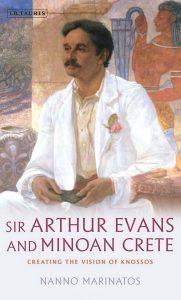
Before Sir Arthur Evans, the principal object of Greek prehistoric archaeology was the reconstruction of history in relation to myth. European travellers to Greece viewed its picturesque ruins as the gateway to mythical times, while Heinrich Schliemann, at the end of the nineteenth century, allegedly uncovered at Troy and Mycenae the legendary cities of the Homeric epics.
Τον Οκτώβριο του 2010, 65 εγγεγραμμένοι σύνεδροι παρουσίασαν 50 πρωτότυπες εργασίες στη διάρκεια του 2ου Συμποσίου ARCH RNT - Αρχαιολογική Έρευνα και Νέες Τεχνολογίες που διοργανώθηκε και φιλοξενήθηκε από το Εργαστήριο Αρχαιομετρίας του Τμήματος Ιστορίας, Αρχαιολογίας και Διαχείρισης Πολιτισμικών Αγαθών του Πανεπιστήμιο Πελοποννήσου, στη Σχολή Ανθρωπιστικών Επιστημών και Πολιτισμικών Σπουδών της Καλαμάτας.
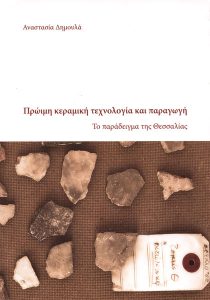
Η εμφάνιση του φαινομένου της κεραμικής στις αρχαίες κοινωνίες, ως τεχνολογία και ως σκεύος με ποικίλες διαστάσεις, αποτελεί ένα από τα πιο παλιά προβλήματα της αρχαιολογίας. Ειδικά για τον ελλαδικό χώρο, η κατασκευή και χρήση κεραμικών σκευών έχει συνδεθεί άρρηκτα με τις πρώιμες νεολιθικές κοινότητες, μαζί με τη μόνιμη εγκατάσταση και τη γεωργοκτηνοτροφία, αποτελώντας μία από τις πρακτικές που διαμόρφωσαν την ανθρώπινη ιστορία.
Το διάστημα 3-5 Οκτωβρίου 2012, 65 εγγεγραμμένοι σύνεδροι παρουσίασαν 50 πρωτότυπες εργασίες στη διάρκεια του 3ου Συμποσίου ARCH_RNT-Αρχαιολογική Έρευνα και Νέες Τεχνολογίες που διοργανώθηκε από το Εργαστήριο Αρχαιομετρίας και φιλοξενήθηκε στο Τμήμα Ιστορίας, Αρχαιολογίας και Διαχείρισης Πολιτισμικών Αγαθών του Πανεπιστημίου Πελοποννήσου, στη Σχολή Ανθρωπιστικών Επιστημών και Πολιτισμικών Σπουδών της Καλαμάτας.
Τα 100 χρόνια της απελευθερωμένης από τον οθωμανικό ζυγό Θεσσαλονίκης γιορτάστηκαν το 2012 με σειρά εκδηλώσεων, εκθέσεων και πολιτιστικών γεγονότων από πολλούς φορείς σε όλη την πόλη. Στο πλαίσιο του εορτασμού το Αρχαιολογικό Μουσείο Θεσσαλονίκης πέρα από την περιοδική έκθεση «Αρχαιολογία στα μετόπισθεν. Στη Θεσσαλονίκη των ταραγμένων χρόνων 1912-1922» και τον σχετικό κατάλογο της, οργάνωσε και το διεθνές συνέδριο για τα 100 χρόνια προϊστορικής έρευνας στη Μακεδονία, η επιτυχία του οποίου επικυρώθηκε με την αθρόα συμμετοχή επιστημόνων από πολλές χώρες και διάφορες ειδικότητες, οι οποίοι έχουν αφοσιωθεί στη μελέτη των πολιτισμικών χαρακτηριστικών του μακεδονικού χώρου κατά την προϊστορική εποχή.
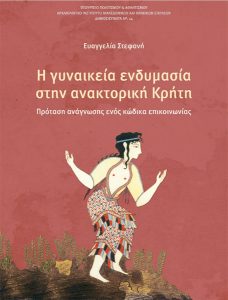
H ενασχόληση μου με το γυναικείο μινωικό ένδυμα ξεκίνησε το 1993 με την έναρξη εκπόνησης της διδακτορικής μου διατριβής. Στα πρώτα στάδια της επεξεργασίας του θέματος είχα αντιληφθεί μόνο το κενό που υπήρχε στη βιβλιογραφία της μινωικής αρχαιολογίας σχετικά με αυτό το θέμα αλλά όχι τις ποικίλες προοπτικές που ανοίγονταν με την έρευνά του.
David W. Rupp & Jonathan E. Tomlinson (επιμέλεια)Αθήνα2014
The organization of this Colloquium began in early 2011 as a fitting means to honor an individual who had contributed so much to the study of Greek architecture in Canada and in Europe. His long-standing and loyal support of the Canadian Institute in Greece and its mission reinforced the value of this plan.
The results of the Polis-Pyrgos Archaeological Project (PAP) have now been published in two volumes that present the work of an extensive field survey conducted over nearly a decade in the area of northwestern Cyprus - from the western bank of the Chrysochou River along the north coast of the island eastward to Kato Pyrgos.
The fact that Aegean type pottery is found in Italy is of great importance when we consider the cultural contacts between the Apennine peninsula and the southern Balkans in the late Bronze Age. Ever since the 19th Century its interpretation has been subject of great controversy, the colonisation with the permanent presence of Aegean groups or commercial settlements have been taken into consideration as well as the modes of exchange and the significance of imports.
Το Τμήμα Ιστορίας Αρχαιολογίας, Κοινωνικής Ανθρωπολογίας του Πανεπιστημίου Θεσσαλίας (ΙΑΚΑ) σε συνεργασία με τις Εφορείες Προϊστορικών και Κλασικών Αρχαιοτήτων, Βυζαντινών Αρχαιοτήτων της Περιφέρειας Θεσσαλίας διοργάνωσαν στο Βόλο τη τρίτη συνάντηση για το Αρχαιολογικό Έργο Θεσσαλίας και Στερεάς Ελλάδας. Παρουσιάζεται το έργο των κατά τόπους Eφορειών και τα ανασκαφικά πεπραγμένα των παρελθόντων ετών. Παρουσιάζονται, επίσης, εισηγήσεις με θεωρητικό περιεχόμενο και θα γίνουν ερμηνευτικές και συνθετικές παρουσιάσεις.
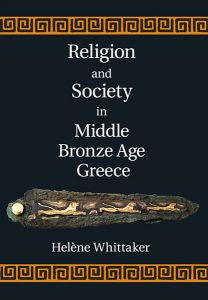
The Middle Helladic period has received little attention, partially because of scholars’ view of it as merely the prelude to the Mycenaean period and partially because of the dearth of archaeological evidence from the period. In this book, Helène Whittaker demonstrates that Middle Helladic Greece is far more interesting than its material culture might at first suggest.