Η συμμετοχή από το 2006 έως σήμερα στην ανασκαφική έρευνα, που διεξάγει ο Τομέας Αρχαιολογίας και Ιστορίας της Τέχνης του Παν/μίου Αθηνών στον μυκηναϊκό οικισμό και το νεκροταφείο στη θέση Λαζάρηδες της Αίγινας, υπό τη διεύθυνση της καθηγήτριας Ν. Πολυχρονάκου-Σγουρίτσα, υπήρξε η αφορμή ενασχόλησης με το συγκεκριμένο θέμα.
What is the social role of images and architecture in a pre-modern society? How were they used to create adequate environments for specific profane and ritual activities? In which ways did they interact with each other? These and other crucial issues on the social significance of imagery and built structures in Neopalatial Crete were the subject of a workshop which took place on November 16th, 2009 at the University of Heidelberg.
Yves Duhoux & Anna Morpurgo Davies (επιμέλεια)Louvain-la-Neuve2014
Linear B is the earliest form of writing used for Greek. The tablets written in this script offer crucial information about the Mycenaean Greeks and their time. This Companion aims at not only summarizing the results of current research but also trying to explain the problems which arise from the study of the texts and the methods which can be used to solve them.
The Mediterranean has been for millennia one of the global cockpits of human endeavor. World-class interpretations exist of its Classical and subsequent history, but there has been remarkably little holistic exploration of how its societies, culture and economies first came into being, despite the fact that almost all the fundamental developments originated well before 500 BC.
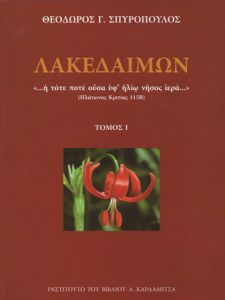
Στο τρίτομο αυτό έργο ο Θεόδωρος Σπυρόπουλος, Επίτιμος Έφορος Αρχαιοτήτων Σπάρτης, παρουσιάζει τη σημαντικότατη ανασκαφική του έρευνα στην Πελλάνα Λακωνίας, που βρίσκεται 25 χλμ. βόρεια της Σπάρτης.
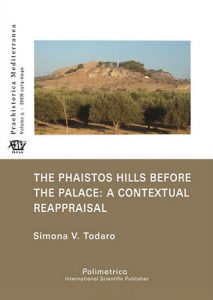
This work represents the first comprehensive account of all the deposits and structures uncovered over the past hundred years on the three hills of the Phaistos ridge (in south-central Crete), and also the first attempt to clarify the nature of the site – in terms of function and status – from its foundation at the end of the Neolithic period through the Early Bronze Age.
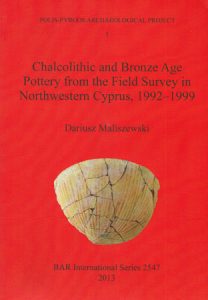
The material presented here is derived from an extensive survey conducted by the Polis-Pyrgos Archaeological Project (PAP) in 1992–1994, 1996–1997, and 1999 in the area between the western bank of the Chrysochou River and Kato Pyrgos in northwestern Cyprus.
In recent years a range of formal methods of spatial analysis have been developed for the study of human engagement, experience and socialisation within the built environment. Many, although not all, of these emanate from the fields of architectural and urban studies, and draw upon social theories of space that lay emphasis on the role of visibility, movement, and accessibility in the built environment.
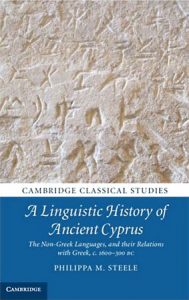
This pioneering volume approaches the languages and scripts of ancient Cyprus from an interdisciplinary point of view, with a primarily linguistic and epigraphic approach supplemented by a consideration of their historical and cultural context.
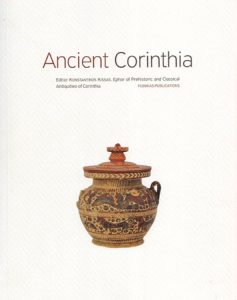
The idea of publishing a collective volume on the archaeological sites and monuments of Corinthia was born of the need to fill the gap existing in the relevant bibliography. However, our concern was not to write a run-of-the-mill tourist guidebook, like those on sale to visitors in the museums, but to present the monuments and their history in such a way as to enhance Corinthia's outstanding place in the ancient world.
Sono passati fino ad oggi 105 anni da quando, nel 1906, "per la prima volta il trico-lore italiano e stato alzato sulla Patela di Priniàs", come annotava sul suo taccuino Luigi Pernier non senza un fondo di facile nazionalismo, che allora però, in un momento nel quale l'Italia cercava di guadagnare un suo posto nel contesto internazionale, era storicamente giustificabile.
Excavations at Late Neolithic Toumba Kremastis Koiladas, near the modern town of Kozani in north-western Greece, have yielded one of the largest faunal assemblages of this period from Greece (and probably also from Europe).
«Dans sa recherche sur l’histoire des hommes, il combinait les données de l’archéologie et du droit : pour comprendre une société et ses règles, n’y a-t-il pas nécessité de connaître les contraintes techniques qui s’imposaient à elle autant que la nature des rapports entre ses membres et des lois qui les réglementaient?»
Την Παρασκευή 31 Μαΐου 2013 έγινε στην Αρχαιολογική Εταιρεία επιστημονική ημερίδα στη μνήμη του Γεωργίου Εμμ. Μυλωνά (1898-1988) που οργανώθηκε από την Εταιρεία, την Ακαδημία Αθηνών και την Έδρα Ελληνικών Σπουδών του Πανεπιστημίου Missouri St. Louis των Ηνωμένων Πολιτειών της Αμερικής την οποία κατέχει ο εταίρος καθηγητής αρχαιολογίας κ. Μιχάλης Κοσμόπουλος.
Τhis monograph examines the settlement history of a small island off the coast of southeast Crete and its exploitation by the settlements in the southern part of the Ierapetra Isthmus. Recent archaeological discoveries by the 24th Ephorea on Chryssi Island led to an intensive survey that uncovered numerous sites, dating from the Final Neolithic to the Ottoman period.