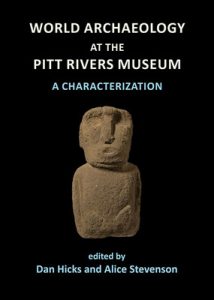
World Archaeology at the Pitt Rivers Museum: a characterization introduces the range, history and significance of the archaeological collections of the Pitt Rivers Museum, Oxford. In 29 newly-commissioned essays written by a specialist team, the volume explores more than 136,000 artefacts from 145 countries, from the Stone Age to the modern period, and from England to Easter Island.
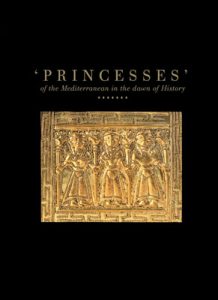
Το βιβλίο αποτελεί τον κατάλογο της έκθεσης ‘Πριγκίπισσες της Μεσογείου στην αυγή της Ιστορίας’, που παρουσιάστηκε στο Μουσείο Κυκλαδικής Τέχνης από τις 13 Δεκεμβρίου 2012 ως τις 8 Μαϊου 2013. Αρχόντισσες ή πριγκίπισσες, ιέρειες ή θεραπεύτριες και μάγισσες, γυναίκες με κύρος γένους ή γνώσης, ντόπιες που ξεχώρισαν ή άλλες που παρέλαβαν και υιοθέτησαν πολιτισμικά στοιχεία άλλων κοινωνιών ακόμα και από άνδρες που οι ίδιες παντρεύτηκαν στην πατρίδα τους -ντόπιους ή ξένους- ή ακόμη και αυτές που για λόγους επιγαμίας ή άλλους, ταξίδεψαν από τη μια περιοχή σε μια άλλη, είναι οι γυναίκες αυτές τις οποίες εξέταζε η έκθεση.
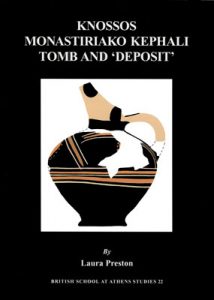
The archaeological sites on the Monastiriako Kephali hill analysed in this volume include the earliest known mortuary activity at the key Minoan centre of Knossos on the island of Crete. Two Bronze Age sites are presented, known as the ‘Tomb’ and the ‘Deposit’, originally excavated in the 1930s but until now never published in detail.
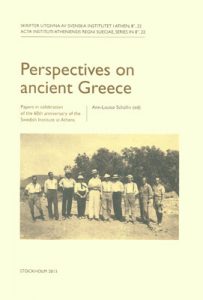
This volume presents current research related to Greek prehistory and Classical Archaeology and thus serves as a crosssection of the research strategies, which the Swedish Institute at Athens promotes. The topics relate to research, which span from the Neolithic to the Hellenistic times.
Elizabeth B. French & Jonathan E. Tomlinson (with contributions by S. M. A. Hoffman, †V. J. Robinson & R. E. Jones)Oxford2013
Since 1890 when Sir Flinders Petrie first realised the importance of the Aegean pottery he had found in Egypt further discoveries of these wares have been noted with more than superficial interest. Early studies, however, right up to the mid 20th century, had to be based on stylistic, and thus often subjective, criteria.
In 1995 Jeremy B. Rutter presented the pottery of the Fourth Settlement at Lerna in Lerna III: The Pottery of Lerna IV. The present volume is the companion to the Rutter volume, outlining the architectural sequence of the EH III period at the site withdescriptions of the major building types and other features, such as hearths, ovens, and bothroi.
Είναι ο υλικός κόσμος "επιφανειακός", "εφήμερος", και ως εκ τούτου καταδικασμένος να συγκαλύπτει και να συσκοτίζει ό,τι θεωρείται "ουσιαστικό", "αληθινό" και "αιώνιο"; Είναι άψυχος" και "παθητικός", στον αντίποδα της οντότητας του "ανθρώπου", που είναι "ζωντανός" και "ενεργητικός"; Τότε, πώς μπορεί ένα έργο τέχνης να "δρα": να καθηλώνει, να συγκινεί, να προκαλεί συναισθήματα στο θεατή του;
Δεν μπορεί να είναι συνηθισμένος ο πρόλογος για μια κρητική σπηλιά, αν αυτή είναι «the most important cave sanctuary in iron age Crete» κατά τον Sir John Boardman, μια σπηλιά που χρησιμοποιήθηκε συνεχώς για 5.000 περίπου χρόνια, από την Ύστερη Νεολιθική εποχή μέχρι σήμερα.
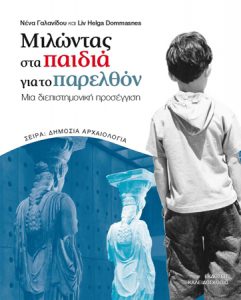
Νένα Γαλανίδου & Liv Helga Dommasnes (επιμέλεια)Αθήνα2013
Στο πρώτο βιβλίο της σειράς "Δημόσια Αρχαιολογία" ανθρωπολόγοι, αρχαιολόγοι, μουσειολόγοι και ψυχολόγοι από διάφορες χώρες και διαφορετικές ακαδημαϊκές παραδόσεις ξεκινούν έναν διεπιστημονικό διάλογο σχετικά με την παρουσίαση του αρχαίου κόσμου στο παιδικό κοινό.
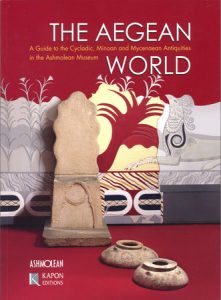
Το μουσείο Ashmolean του Πανεπιστημίου της Οξφόρδης στεγάζει μία από τις καλύτερες συλλογές τέχνης και αρχαιολογίας στον κόσμο. Ιδιαίτερης μνείας χρήζει η εξαιρετική συλλογή αντικειμένων από το προϊστορικό Αιγαίο – με περισσότερα από 10.000 αντικείμενα από τις Κυκλάδες, τη Μινωική Κρήτη και τη Μυκηναϊκή Ελλάδα, η Αιγαιακή συλλογή του Ashmolean είναι η σημαντικότερη και αξιολογότερη εκτός Ελλάδος.
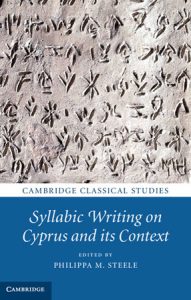
Philippa M. Steele (επιμέλεια)Cambridge/New York2013
This volume offers a new and interdisciplinary treatment of syllabic writing in ancient Cyprus. A team of distinguished scholars tackles epigraphic, palaeographic, linguistic, archaeological, historical and terminological problems relating to the island's writing systems in the Late Bronze Age and Iron Age, from the appearance of writing around the fifteenth century down to the end of the first millennium BC.
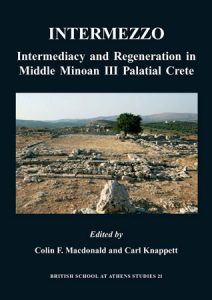
Colin F. Macdonald & Carl Knappett (επιμέλεια)London2013
The Middle Minoan III period on Crete was initially identified and studied in detail at Knossos by Sir Arthur Evans. Subsequent scholarly attention focused on the preceding Old Palace period and the apparent floruit of the New Palaces at the beginning of the Late Bronze Age.
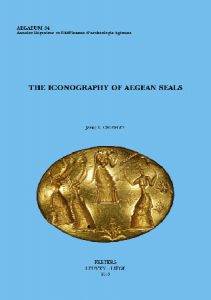
The Iconography of Aegean Seals is a detailed analysis of the iconography of the images on the Aegean seals, signets and sealings, providing for the first time a comprehensive structured overview of these images and a presentation of the artistic rules governing the composition of their designs.
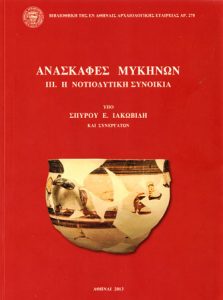
Ο παρών τόμος της σειράς των δημοσιεύσεων των ανασκαφών των Μυκηνών μετά το 1960 άφορα τις εργασίες στην περιοχή της λεγομένης Νοτιοδυτικής Συνοικίας της ακροπόλεως. Οι έρευνες στη συνοικία αυτή έγιναν υπό τη διεύθυνση του αείμνηστου καθηγητή Γ. Ε. Μυλωνά κατά τα έτη 1966, 1972, 1973, 1974, και του Σπύρου Ιακωβίδη κατά τα έτη 1988 και 1989.