
ΑΡΘΡΑ | 2010
How reliable are our published archaeometric analyses? Effects of analytical techniques through time on the elemental analysis of obsidians
Journal of Archaeological Science 37.2 (February 2010): 243-250.
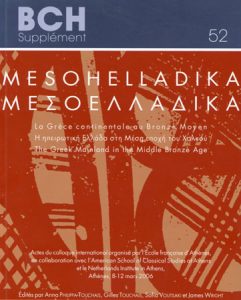
To assess the analytical accuracies and precisions of archaeometric elemental analyses by different techniques, a relatively homogeneous material such as obsidian must be studied. An assessment of published elemental concentration data from two Anatolian obsidian sources shows that while in most cases analytical accuracy is as high as is commonly expected, in some cases it is not.MESOHELLADIKA – MΕΣΟΕΛΛΑΔΙΚΑ. La Grèce continentale au Bronze Moyen – Η ηπειρωτική Ελλάδα στη Μέση Εποχή του Χαλκού – The Greek Mainland in the Middle Bronze Age
Αθήνα
Βιβλιοκρισία του: Minoan Architecture: Materials and Techniques. Studi di archeologia cretese
Bryn Mawr Classical Review
Letesson, Q., 2010. Online review of J.W. Shaw, Minoan Architecture: Materials and Techniques. Studi di archeologia cretese (Padova: Bottega d’Erasmo, 2009), Bryn Mawr Classical Review 2010.08.48.
Βιβλιοκρισία του: Contrôle économique et administration à l’époque des palais mycéniens (fin du IIe millénaire av. J.-C.)
Bryn Mawr Classical Review
Nakassis, D., 2010. Online review of F. Rougemont, Contrôle économique et administration à l’époque des palais mycéniens (fin du IIe millénaire av. J.-C.) (Athènes: École française d’Athènes, 2009), Bryn Mawr Classical Review 2010.09.14.
Βιβλιοκρισία του: Pseira X: The Excavation of Block AF
Bryn Mawr Classical Review
Irwin, D.T., 2010. Online review of P.P. Betancourt & C. Davaras, Pseira X: The Excavation of Block AF (Philadelphia: 2009), Bryn Mawr Classical Review 2010.07.54.
Βιβλιοκρισία του: Archaeology Meets Science: Biomolecular Investigations in Bronze Age Greece: The Primary Scientific Evidence, 1997-2003
Bryn Mawr Classical Review
Cummings, C., 2010. Online review of Y. Tzedakis, H. Martlew & M.K. Jones (eds), Archaeology Meets Science: Biomolecular Investigations in Bronze Age Greece: The Primary Scientific Evidence, 1997-2003 (Oxford: Oxbow Books, 2008), Bryn Mawr Classical Review 2010-10-70.
Βιβλιοκρισία του: In pursuit of Wissenschaft: Festschrift für William M. Calder III zum 75. Geburtstag
Bryn Mawr Classical Review
Magnani, M., 2010. Online review of S. Heilen, In pursuit of Wissenschaft: Festschrift für William M. Calder III zum 75. Geburtstag (Hildesheim/New York: 2008), Bryn Mawr Classical Review 2010.01.13.
Βιβλιοκρισία του: The Quest: John Morritt, His Travels to Troy, 1794-1796
Bryn Mawr Classical Review
Kennell, S.A.H., 2010. Online review of R.D. Morritt, The Quest: John Morritt, His Travels to Troy, 1794-1796 (Newcastle upon Tyne: 2010), Bryn Mawr Classical Review 2010.07.37.
Die Bedeutung der minoischen und mykenischen Glyptik. VI. Internationales Siegel-Symposium aus Anlass des 50 jährigen Bestehens des CMS Marburg, 9.-12. Oktober 2008
Mainz
Το βιβλίο παρουσιάζει τα αποτελέσματα του 6ου Διεθνούς Συνεδρίου Σφραγιδογλυφίας με τίτλο ‘Die Bedeutung der minoischen und mykenischen Glyptik‘. Το συνέδριο έλαβε χώρα στο Marburg (Γερμανία) τον Οκτώβριο του 2008, με την ευκαιρία των 50 ετών του Corpus der Minoischen und Mykenischen Siegel. Τα 33 άρθρα είναι γραμμένα στα αγγλικά (23), γερμανικά (8) και γαλλικά (2).
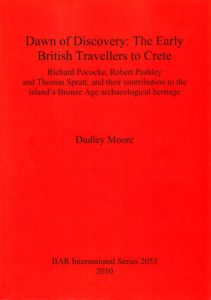
Dawn of Discovery: The Early British Travellers to Crete. Richard Pococke, Robert Pashley and Thomas Spratt, and their Contribution to the Island’s Bronze Age Archaeological Heritage
Oxford
Αρχαιολογικό έργο Κρήτης 1: Πρακτικά της 1ης συνάντησης, Ρέθυμνο, 28-30 Νοεμβρίου 2008
Ρέθυμνο
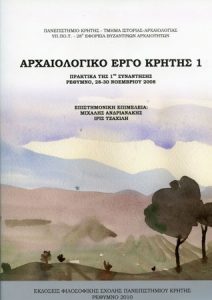
Από τις 28 έως τις 30 Νοεμβρίου 2008 έγινε στο Πανεπιστήμιο Κρήτης η 1η Συνάντηση για το Αρχαιολογικό Έργο Κρήτης, που οργανώθηκε από το Τμήμα Ιστορίας και Αρχαιολογίας του Πανεπιστημίου Κρήτης και την 28η Εφορεία Βυζαντινών Αρχαιοτήτων. H Παγκρήτια αυτή συνάντηση, αίτημα με μακρά ιστορία, πραγματοποιήθηκε μέσα σε κλίμα βαθιάς ικανοποίησης και με τη συμμετοχή πολλών νέων και πεπειραμένων συναδέλφων. Ο τόμος περιλαμβάνει το μεγαλύτερο μέρος των προφορικών και επιτοίχιων ανακοινώσεων με ποικίλο περιεχόμενο: ανασκαφές, αποκαταστάσεις, αναστηλώσεις, εργασίες συντήρησης, ψηφιακές εφαρμογές.
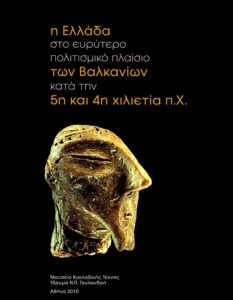
Η Ελλάδα στο ευρύτερο πολιτισμικό πλαίσιο των Βαλκανίων κατά την 5η και 4η χιλιετία π.Χ.
Αθήνα
The Lost World of Old Europe: The Danube Valley, 5000-3500 BC
New York
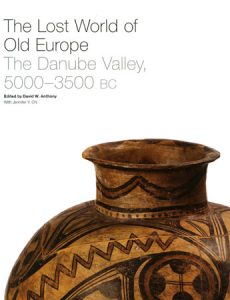
In the prehistoric Copper Age, long before cities, writing, or the invention of the wheel, Old Europe was among the most culturally rich regions in the world. Its inhabitants lived in prosperous agricultural towns. The ubiquitous goddess figurines found in their houses and shrines have triggered intense debates about women's roles. The Lost World of Old Europe is the accompanying catalog for an exhibition at New York University's Institute for the Study of the Ancient World. This superb volume features essays by leading archaeologists as well as breathtaking color photographs cataloguing the objects, some illustrated here for the first time.